
Return to Player, usually abbreviated as RTP, is one of the most frequently mentioned figures in online slot play, yet it is still widely misunderstood. At UK-facing casino brands such as platform 20p Roulette Casino, players often come across percentages like 94%, 96%, or 98% associated with different slot titles. Those numbers are not a forecast of what any individual session will return. Instead, they explain how a game is mathematically configured to perform across a very large number of spins. Understanding that nuance can change how a player chooses games, handles a bankroll, and weighs bonus offers. This guide details what RTP actually measures, how it is computed, where to find it, and how it integrates with the wider casino experience.
Which Return to Player Actually Quantifies
Return to Player is the calculated percentage of total stakes that a slot is intended to pay back across an extended cycle of play. If a slot lists an RTP of 96%, the assumption is that for every £100 wagered across all players and millions of spins, about £96 is returned as winnings while £4 is retained as the house edge. This figure is not calculated from one account or a short burst of results. It is a long-run statistical property built into the game mathematics. The important point is that RTP describes aggregate behaviour, not a single player’s next spin.
The long-run nature matters because individual sessions are controlled by random variance. A 96% RTP slot can produce a £100 loss in ten minutes or a £500 win from a £1 stake. The theoretical return only becomes apparent over millions of spins, which is how the casino’s edge operates over time. At 20p Roulette Casino, players should treat RTP as a game selection tool rather than a guarantee about what will happen during one visit. That mindset helps prevent unrealistic expectations and supports more disciplined bankroll decisions over the long term.
It is also helpful to distinguish RTP from a simple payout ratio. A payout ratio can refer to winnings divided by total paid out in a specific period, while RTP is a regulated theoretical figure. Because slots use random number generators, short-term payout can swing far above or below the configured RTP. For UK players, the regulator expects games to operate fairly within their certified parameters, but this does not remove the possibility of losing sessions. Acknowledging that variance and RTP coexist is the first step toward using the metric effectively.
Medium and Average Variance: RTP’s Handy Companion
Two slots can possess the same RTP but play very differently because of variance, also called volatility. A low-variance game has a tendency to deliver regular but lesser wins, which can keep a balance fluctuating without sharp swings. A high-variance game regularly provides prolonged losing stretches followed by bigger, less common payouts. Medium variance falls between the two. RTP alone does not convey this rhythm. A 96% RTP slot with high variance can appear much tougher than a 96% low-variance title, even though the long-run average is equal.
For UK players, this relationship between RTP and variance has tangible consequences. A £100 bankroll may survive a long time on a low-variance slot, while the same amount can dwindle rapidly on a high-volatility game before a bonus activates. At 20p Roulette Casino, players can often infer volatility from provider descriptions, the magnitude of top prizes, or the arrangement of the paytable. Testing a demo version is a further way to gauge whether the win distribution feels sustainable. Pairing an RTP reading with volatility gives a much sharper picture of what to expect from a session.
How 20p Roulette Casino Showcases Slot RTP and Game Choice
20p Roulette Casino’s game selection spans the main categories players anticipate from a UK-facing casino. Slots form the largest section, with classic three-reel machines, modern video slots, progressive jackpots, and feature-rich titles from established providers. In addition to slots, the casino typically features table games such as roulette, blackjack, and baccarat, as well as live dealer options for a more immersive experience. The brand’s name indicates an accessible low-stakes identity, which can make initial RTP testing more affordable. RTP differs across categories. Many video slots are between 95% and 97%, while classic slots and jackpot-linked games may sit lower because a portion of each stake funds the jackpot pool.
Licensing and security are crucial context for trusting the RTP figures on display. Players should check licence details in the website footer and confirm that the casino uses SSL encryption for account and payment data. Responsible gambling tools, including deposit limits, reality checks, and self-exclusion options, are part of a properly regulated environment. While exact licence numbers change over time and should be checked on the official page, 20p Roulette Casino operates as a UK-focused operator. That regulatory backdrop ensures the games and their published RTP settings are subject to oversight rather than left to chance.
Device support and banking options also influence how players interact with slots. 20p Roulette Casino is accessible through desktop browsers and mobile devices, either via a responsive website or a dedicated app where available, allowing players to check RTP and manage play on the go. Common UK payment methods include Visa, Mastercard, PayPal, Skrill, Neteller, Trustly, and bank transfer. Typical processing times vary by the method: e-wallet withdrawals are often processed within 24 hours after approval, while card and bank transfer withdrawals may take one to five working days. Players should always confirm the latest cashier details before depositing.
Where to Find RTP Information Before Playing
In many online slots, the RTP is found in the game’s info or help section, typically reachable through an “i” icon or gear symbol. The figure may show up in the paytable, rules page, or a dedicated statistics section. Some casino lobbies also show RTP on the game thumbnail or details page, but this is not standard. If the information is absent, a player can search the game provider’s official website, where many studios publish technical data for each title. Because providers sometimes have multiple RTP configurations, the version shown by the casino is the one that matters.
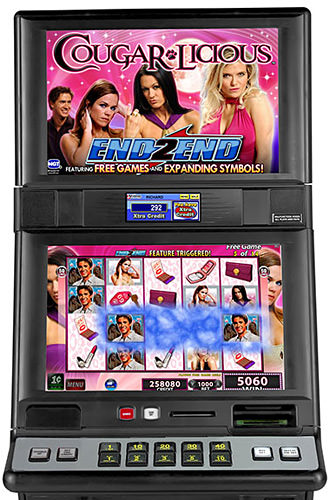
At 20p Roulette Casino, the most dependable way is to check the slot’s information screen before playing and match it against the provider’s published data. A slot running at 94% instead of 96% may seem only slightly different, but the expected long-term cost doubles from £4 to £6 per £100 staked. That difference adds up over thousands of spins. UK-facing casinos are subject to licensing standards that demand fair and accurate game information, yet the showing of RTP is not always highlighted. Spending a minute to check the figure is therefore a sensible routine for informed slot play.
How RTP Gets Calculated and Audited
RTP is calculated by merging every possible game outcome with its probability and payout. In a simple three-reel slot with equal stops, the maths might be straightforward, but modern video slots use weighted reels and complex symbol distributions. A wild or scatter shows up less often than lower-paying symbols, and bonus rounds carry their own expected contribution. The total expected return for each bet is the sum of each outcome’s probability multiplied by its prize. That generates the theoretical RTP shown in the game rules. The number is therefore a deliberate design choice based on the paytable rather than an incidental result.
Independent testing laboratories and regulatory bodies provide the audit layer. Games destined for UK-licensed casinos typically undergo certification from organisations such as eCOGRA, GLI, or iTech Labs, which check that the configured RTP matches the stated value and that the random number generator behaves correctly. Operators cannot simply adjust a slot’s RTP in real time; they may, however, select from different provider settings. At 20p Roulette Casino, players can check a game’s help file and the operator’s licensing information to confirm the version on offer. This verification helps ensure the percentage shown is not just a marketing label.
Bonuses, Wagering and Their Impact on RTP
Promotions do not affect a slot’s RTP, but the associated wagering requirements alter the overall value equation. A deposit match or free spins offer may appear generous, but the playthrough multiplier decides how much must be staked before winnings can be withdrawn. For example, a £50 bonus with 35x wagering requires £1,750 in eligible turnover. On a slot with a 96% RTP, the expected house edge cost is around £70, which can exceed the original bonus value. Players who ignore this calculation can end up worse off despite receiving a promotion.
Game weighting and restrictions create another layer. Many UK-facing promotions omit or diminish the contribution of certain high-RTP slots, while table games and live casino games often account far less than slots. Some offers at 20p Roulette Casino may be applicable only to selected games, with maximum bet limits and expiry dates. A high-RTP slot is only effective for bonus clearing if it contributes 100% and remains eligible. Failing to review the terms can invalidate the bonus or lead to unexpected wagering on games with a lower return. The key is to view bonus terms as part of the RTP assessment.
No-wagering bonuses or free spins with no playthrough requirement preserve much more of the theoretical value because winnings can be withdrawn sooner. High wagering, by contrast, magnifies expected loss through repeated exposure to the house edge. Players at 20p Roulette Casino should evaluate the bonus amount against the estimated wagering cost before opting in. A small no-wagering reward may be of greater value than a larger bonus with heavy conditions. key takeaways This is not about avoiding promotions, but about realizing that RTP and bonus terms combine in a measurable way.
Using RTP to Choose Superior Slot Sessions
A practical approach begins with establishing a goal. Players who want optimal long-run value can look for slots with an RTP above 96%, while accepting that high-RTP games might still be volatile. Examining the volatility rating is similarly important: a 98% RTP slot with high variance can exhaust a small bankroll ahead of a big win emerges. Playing a free demo first assists show whether the game’s pace and win frequency match a player’s comfort level. At 20p Roulette Casino, this kind of pre-session check is easy to perform from the game information screen.
From there, players should integrate RTP with controlled staking and time limits. A greater RTP does not assure a profitable session, but over many sessions it lowers the expected cost of play. Choosing a game with verified RTP, defining a loss limit, and utilizing available responsible gambling tools creates a structure that is more likely to generate sustainable entertainment. Reviewing after each session—rather than pursuing losses—is the final step. RTP is not a strategy for winning; it is a filter for forming more informed choices among the slots on offer.
Return to Player only becomes useful when players consider it as one piece of a larger decision-making process. A verified percentage, a clear understanding of volatility, careful bonus assessment, and sensible bankroll rules cooperate to craft better slot sessions. At 20p Roulette Casino, the practical next step is uncomplicated: open a game’s information screen, check the specific RTP version, review the volatility, and evaluate any promotional terms before depositing. That habit will not eliminate risk, but it will assist players avoid the most common misunderstandings and pick games with realistic expectations.
